


Written by Dr. Shin Jeong Won, Tong-In Clinic
Edited by Sia
Hello! I'm Shin Jeong Won, doctor at Tong-in Korean Medicine Clinic.
Why do you want to try acupuncture? To reduce pain, to balance your body... Patients visit us with various expectations.
Traditional Korean medicine often describes acupuncture treatment as 'regulating qi (vital energy)' or 'promoting blood circulation'.
However, we now live in an era of remarkably advanced science, including AI.😉 So today, let me share something different - what actually happens inside your body when needles are inserted, based on modern scientific research.
In conclusion, acupuncture isn't simply a 'needle' that pokes muscles - it's more like a 'tiny remote control' that simultaneously activates your nervous system, immune system, blood vessels, and brain. Ultimately, this aligns with expressions about harmonizing and balancing the body.
Let's explore in more detail.
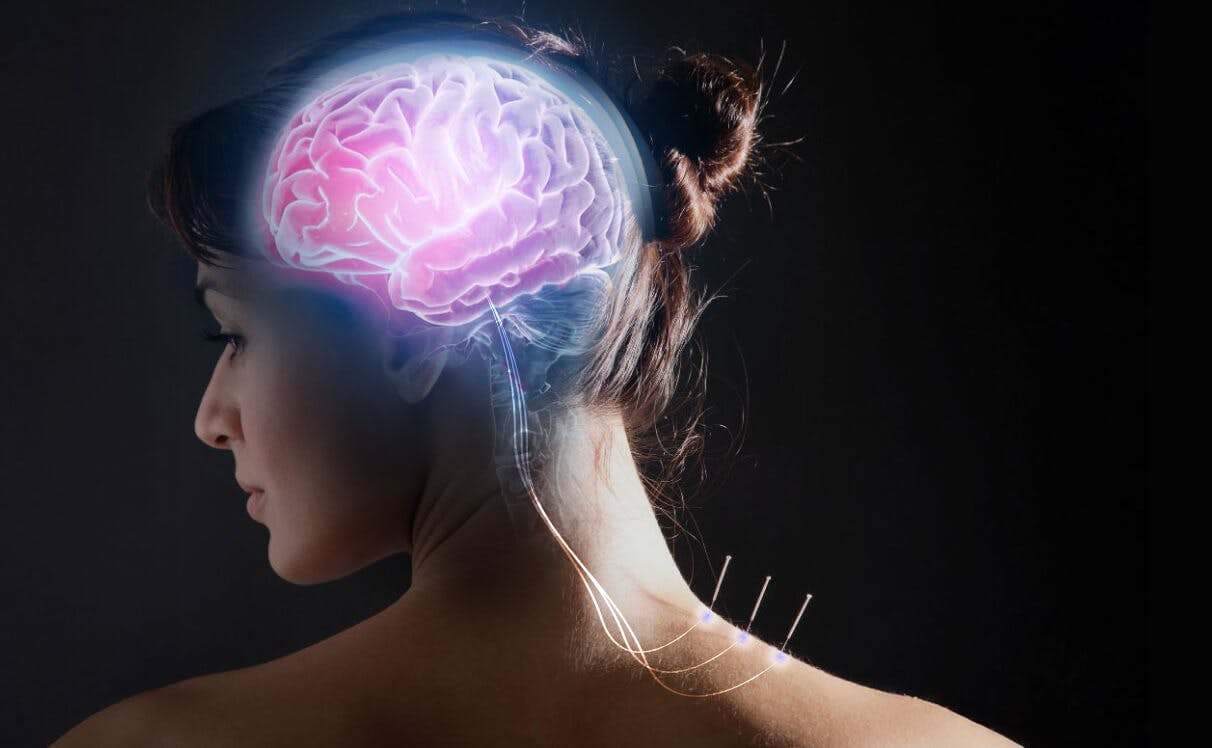
The moment a needle enters, the first responder is the 'nervous system'. Under your skin are 'sensory receptors' that receive sensations. When needles enter the body, 'A-delta fibers' and 'A-beta fibers' in our body detect stimulation and transmit it to the brain. (Want to give up already...? Just think of them as nerve fibers in your body!)
When acupuncture stimulation reaches the brain, the pain transmission circuit closes instead. This reduces the pain stimulation in our brain. Like a needle acting as a 'gatekeeper', preventing pain signals from passing through.
This is explained under the gate control theory, currently the most widely known theory explaining acupuncture's pain-relief effects.
So is the 'comfortable feeling' after acupuncture treatment simply because needle stimulation blocks pain signals?
Surprisingly, acupuncture's effects aren't just that. Acupuncture stimulation actually increases the levels of mood-enhancing neurotransmitters, such as endorphins, serotonin, and norepinephrine. That's why acupuncture shows effects on mental conditions like insomnia, depression, and panic disorder, making patients feel their bodies are balanced!
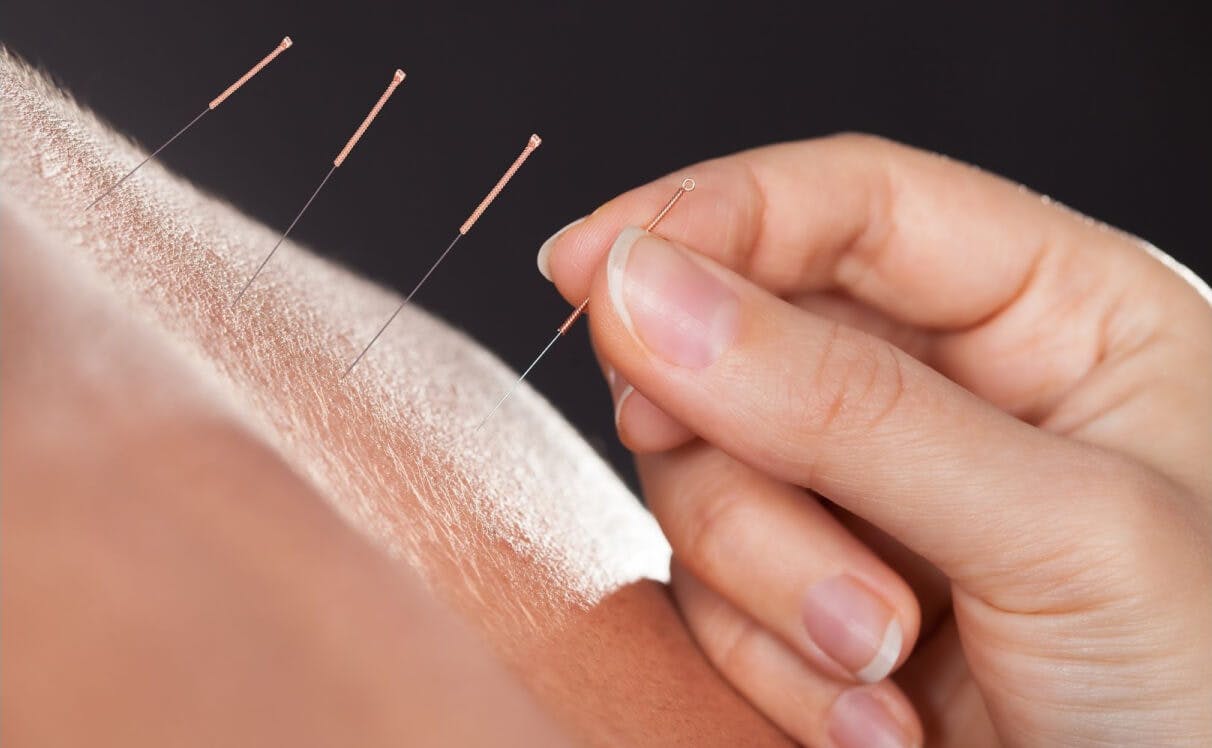
Have you ever felt "swelling went down," "skin warmed up," or "stiffness released" after acupuncture? It's also well known that acupuncture helps 'blood circulation'. As you know, acupuncture literally 'makes blood flow better'.
Acupuncture stimulation relaxes tense muscles and dilates capillaries, thereby increasing blood flow. Thanks to this, oxygen and nutrients are better supplied to overworked, tired muscles and tissues. At the same time, fatigue substances like lactic acid can exit more quickly.
In other words, acupuncture acts like a 'traffic light clearing body congestion'. When blocked pathways open, pain and swelling naturally improve together!
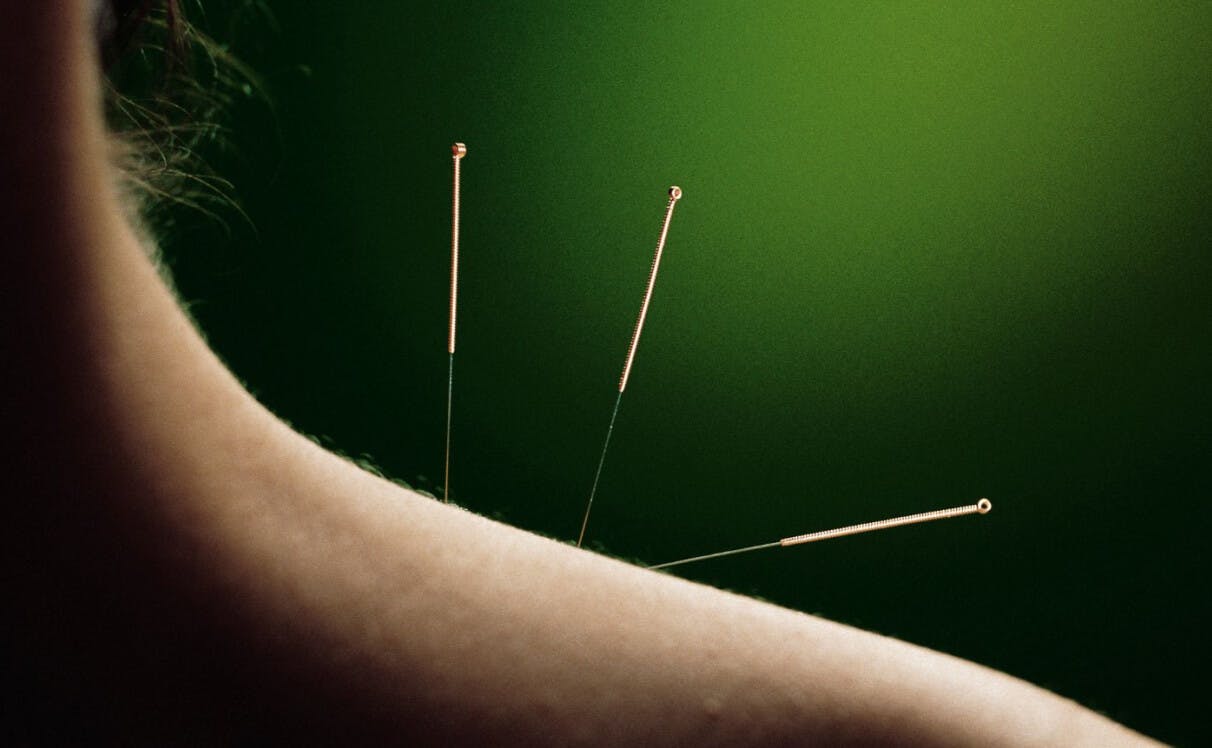
Acupuncture doesn't simply stimulate muscles or nerves. Recent research reveals that acupuncture also regulates the body's immune response.
According to various studies, acupuncture treatment reduces inflammatory substances (TNF-α, IL-6) while increasing anti-inflammatory substances (IL-10, TGF-β), helping the body's immune system achieve balance - neither excessive nor weak.
Additionally, acupuncture stimulation helps the brain and immune system communicate through a vital nerve. This is called the 'anti-inflammatory reflex' - ultimately, acupuncture is a systemic regulatory treatment managing the entire body.
According to recent research combining brain MRI imaging, when people receive acupuncture, areas that control pain and emotion respond actively.
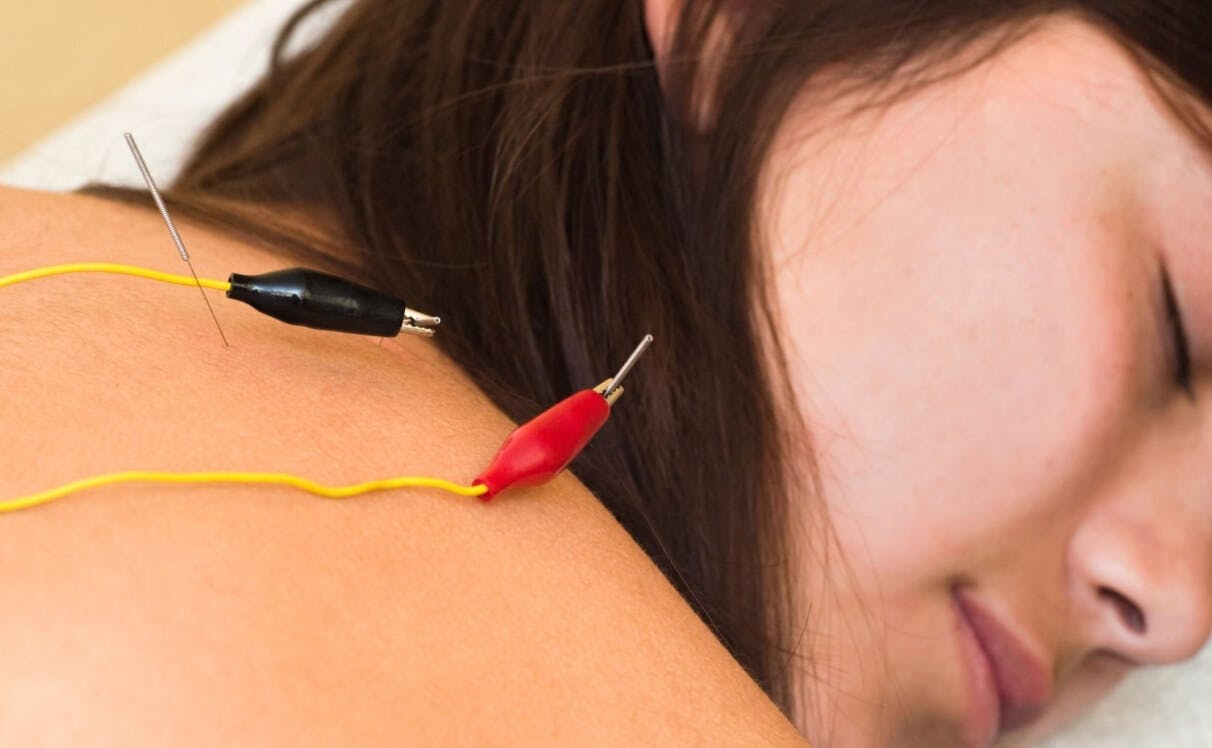
Notably, 'electroacupuncture' - a key component of Korean medicine clinics - is known to activate proteins that facilitate nerve regeneration, thereby promoting brain recovery.
In other words, acupuncture doesn't just reduce pain - it becomes a form of stimulation that retrains brain circuits.
In Korea, there's long been recognition that Korean medicine treatment is best for 'stroke (apoplexy)'. Indeed, acupuncture treatment has shown significant effects in rehabilitating paralysis symptoms from brain lesions.
Repeated acupuncture treatment actually increases brain resilience. That's why consistent acupuncture treatment shows magical effects - stroke patients improve motor function, chronic pain patients recover sensation, and depression patients stabilize mood!
Ultimately, Acupuncture's Core is 'Balance.'
Korean medicine emphasizes the "harmony, circulation of vital energy and blood." Modern medicine focuses on "regulation of nervous-immune-hormonal systems." However, fundamentally, the meanings are the same.
Acupuncture and Korean medicine are balancing medicine - calming excess and awakening deficiency. Recent research describes acupuncture as working through a 'multi-target network' method, simultaneously regulating various body systems.
How about living healthy in body and mind through acupuncture treatment - a biological remote control that naturally tunes your body's complex systems?
However, remember that retraining damaged nerves and brain circuits takes considerable time, so reaching the 'magical' stage requires receiving acupuncture consistently!
Today's article may have been difficult and tedious, but thank you for reading this far. 😉
I'll return with more interesting stories next time!